How a Criminal Defense Lawyer in Lafayette LA Explains Your Legal Options
@finnvkja680
October 9, 2026 · 16 min read

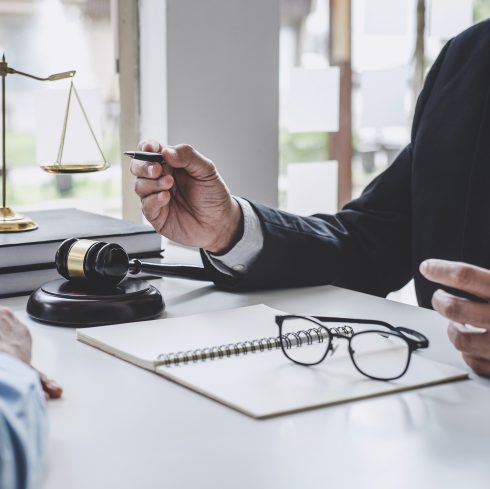

A criminal charge changes the pace of life immediately. A routine morning can turn into a trip to jail, a call from a family member, a bond hearing, a missed shift at work, or a child asking why a parent is suddenly not home. By the time someone starts looking for a criminal defense lawyer Lafayette LA residents can trust, the legal system is already moving. Police reports are written. Evidence is being logged. Court dates are being set. The pressure is not abstract. It is practical, personal, and often urgent.
That is why one of the most important jobs of a defense lawyer is not only arguing in court. It is translating the legal system into plain language so a client can make good decisions under stress. Most people do not need a lecture on criminal procedure. They need to know what happens next, what can go wrong, what can be challenged, what can be negotiated, and what a smart path forward looks like.
A strong defense starts with honest explanation. Not false comfort. Not theatrics. Not promises nobody can keep.
The first conversation is usually about control
When people first sit down with a defense lawyer, they often think the main question is whether they are going to win. That is understandable, but it is rarely the first useful question. The first useful question is usually this: what can still be controlled?
Some things may already be fixed by the time counsel gets involved. An arrest may already have happened. A statement may already have been given. Property may have been seized. A warrant may have been executed. But even then, a surprising amount remains open to strategy. The lawyer can evaluate whether the stop was lawful, whether the search was valid, whether a statement was voluntary, whether witnesses are credible, whether the charge matches the facts, and whether the prosecution can actually prove every required element.
Clients often calm down when they hear this laid out clearly. The criminal process feels less like a runaway train when someone explains where the switches are.
In Lafayette, as in the rest of Louisiana, local practice matters. The written law is one thing. The way a case moves through local courts, the pace of hearings, the typical approach to bond conditions, and the habits of prosecutors all shape the real options available. A lawyer with local criminal defense experience does not treat the case like a law school hypothetical. That lawyer knows how procedure meets practice.
Charges are only the starting point
One of the most common misunderstandings is the idea that the charge written on the booking sheet tells the whole story. It does not. An arrest charge is an allegation, not a final outcome. It may be reduced, amended, dismissed, diverted, or tried. In some cases, what looks severe at the start weakens once the evidence is tested. In other cases, a charge that seems minor creates serious collateral problems, especially for someone with a prior record, a professional license, immigration concerns, or a job that requires driving.
Take a simple example. A person charged with possession of a controlled substance may think the case turns only on whether the item was found in a car or pocket. In reality, a defense lawyer may be looking at several other questions. Who actually had control of the area where the item was found? Was the search based on consent, probable cause, or an inventory procedure? Was the substance tested properly? Was there body camera footage? Did officers conflate presence with possession? Those are not technicalities in the casual sense of the word. They go to the heart of whether the state can prove guilt lawfully.
The same is true in domestic allegations, theft cases, battery charges, DWI cases, and firearm matters. The name of the charge is just the label on the file. The strength of the case depends on evidence, procedure, credibility, and timing.
What your legal options usually look like
A seasoned criminal defense lawyer Lafayette LA clients hire will usually explain legal options in categories, not slogans. Most cases move toward one of a handful of outcomes, but the route matters.
- seek dismissal or reduction by attacking the legal and factual basis of the charge
- negotiate a plea that limits jail exposure, fines, probation terms, or long-term record damage
- pursue diversion or other alternatives when available and appropriate
- prepare for trial and force the state to prove its case beyond a reasonable doubt
- address related problems outside the courtroom, such as license issues, protective orders, or probation exposure
Each option carries trade-offs. Dismissal is ideal, but not every case presents a clean path to it. A negotiated resolution may reduce risk, but it may still create a criminal record. Diversion can be valuable, yet eligibility may be limited and conditions can be demanding. Trial protects the presumption of innocence, but trials also carry uncertainty, cost, and emotional strain. Good defense counsel does not simply announce one preferred route. Counsel explains the risks attached to each route in the context of that specific client’s life.
That last point matters more than many people realize. The best legal move on paper is not always the best life move. A deal that avoids jail may still be unacceptable to a commercial driver. A deferred outcome that sounds generous may be a poor fit for someone who cannot realistically comply with long supervision terms. A trial may be worth the risk in one case and reckless in another.
Bond conditions can shape the defense before the case is ever resolved
People tend to focus on the final result, but bond conditions often control daily life in the meantime. A client may be ordered not to contact a spouse, stay away from a neighborhood, stop drinking, submit to testing, wear a monitor, or avoid firearms. Those restrictions can affect child custody, work schedules, family finances, and housing stability. In practice, that means a defense lawyer is often addressing two cases at once: the criminal charge itself and the immediate life disruption caused by release conditions.
I have seen clients eager to rush into bad plea discussions simply because bond restrictions were crushing them. That is one reason careful lawyers pay close attention to pretrial conditions. If a condition is unnecessary, unrealistic, or unsupported by the facts, seeking a modification can create room to defend the case properly. Relief at that stage will not end the prosecution, but it can prevent panic-driven choices.
In Lafayette, where community ties are often close and reputational concerns spread quickly, bond terms can carry social consequences beyond the courthouse. A no-contact order or public arrest can affect church, school, work, and extended family relationships before the evidence is ever tested. A lawyer who understands that human reality usually communicates more clearly and plans more carefully.
Silence is still a legal option, and often the wisest one
Many cases are made harder by talking. Not always because a client confesses outright. More often because people try to explain, minimize, smooth things over, or sound cooperative. Under stress, they fill gaps, guess about times, adopt the officer’s wording, or speak about facts they did not personally observe. Those statements become evidence.
A defense lawyer often starts by cleaning up the damage caused Criminal defense lawyer Lafayette LA by premature talking. That is harder than preventing it in the first place. One of the most practical explanations a lawyer gives is also one of the simplest: you do not have to talk your way out of an investigation. You usually cannot.
This does not mean being rude or confrontational. It means understanding Criminal defense lawyer Lafayette LA that the right to remain silent is not a sign of guilt. It is part of the legal architecture designed to keep the burden where it belongs, on the government.
The same caution applies outside police interviews. Text messages, social media posts, calls from jail, and conversations with mutual friends can all become evidence. People often underestimate how mundane details from ordinary communications are used to build timelines, infer intent, or impeach testimony later.
Evidence is not just what the police say they found
Clients often ask whether a case is strong because there is “evidence.” That word needs unpacking. A baggie, a screenshot, a bruise, a witness statement, a receipt, a breath test result, and a patrol car video are all evidence. But evidence is not self-explanatory. It has to be authenticated, interpreted, and connected to the legal elements of the offense.
For example, in a DWI case, the issue is not only the test result. A lawyer may examine the basis for the stop, field sobriety conditions, maintenance and calibration records, body camera footage, medication issues, weather, road surface, officer instructions, and the timeline between driving and testing. In a battery case, the issue is not only whether there was contact. The context may involve self-defense, mutual combat, witness bias, prior threats, or inconsistent statements. In a theft case, intent may be the real battleground, not possession.
This is where experience shows. A newer observer may look at a police report and see a finished story. A criminal defense lawyer sees a draft full of places to probe. Not every challenge succeeds, but every meaningful defense begins with disciplined skepticism.
Plea bargains are neither surrender nor magic
People often swing between two extremes when they hear the word plea. Some treat any plea as failure. Others assume a plea is a shortcut that instantly solves everything. Neither view is reliable.
A plea bargain is a negotiated outcome. Sometimes it is the right move because the evidence is strong, the sentencing risk at trial is steep, and the offer meaningfully limits the fallout. Sometimes it is a bad move because the prosecutor’s proof is thin, the plea still carries severe collateral consequences, or the client is accepting terms out of exhaustion rather than judgment.
A good lawyer explains not just the headline terms but the hidden costs. How much probation is involved? What happens if probation is violated? Are there mandatory classes, testing, treatment, community service, or travel restrictions? Does the plea affect gun rights, immigration status, employment background checks, student aid, or housing applications? Can the result later be sealed or expunged, and if so, under what conditions?
Those questions often matter as much as the fine or jail number. A short jail sentence may look harsher than a long probation term, but for some clients, years of supervision create more long-term risk than a brief custodial sentence would have. Judgment here is highly individual.
Trial is a process, not a speech
People exposed to courtroom drama often imagine trial as a dramatic final showdown built around one brilliant moment. Real trials are more methodical. They are won and lost through preparation, evidentiary rulings, witness control, consistency, and credibility. By the time trial starts, much of the meaningful work has already happened.
When a criminal defense lawyer in Lafayette LA prepares a case for trial, that preparation usually serves two purposes at once. First, it positions the client to fight. Second, it improves negotiation leverage because prosecutors take trial-ready cases more seriously than cases built on bluff. Discovery review, witness interviews, motion practice, records collection, expert consultation when needed, and careful timeline reconstruction all matter.
Sometimes the most valuable thing a lawyer says to a client is also the hardest to hear: we can try this case, but there is real risk. Other times the hard truth runs the other direction: the state’s case looks intimidating, but it has weaknesses worth pressing in front of a jury. Clients deserve candor either way.
Local knowledge matters in subtle ways
People often ask whether it really matters to hire local counsel. The answer is yes, though not for the simplistic reasons many advertisements suggest. The value is not personal familiarity for its own sake. The value is knowing how local systems function in practice.
A lawyer who regularly handles criminal matters in and around Lafayette will often have a better sense of timing, common evidentiary issues, realistic plea ranges in certain case categories, probation pitfalls, and how certain factual patterns are typically received. That does not guarantee a result, and no ethical lawyer should imply otherwise. But it does affect strategy. Law is local in more ways than outsiders realize.
This is particularly true when dealing with practical details that never make headlines, such as scheduling urgency, document retrieval, treatment program logistics, bond adjustments, and how to present mitigation credibly. Small procedural missteps can cause outsized problems.
What clients should bring to the first serious case review
A productive meeting is not about retelling the story in broad emotional terms alone. It helps to bring concrete material and be ready for direct questions.
- every charging paper, bond paper, court notice, and receipt from the jail or clerk
- a timeline of what happened, including where you were, who was present, and what was said
- names and contact information for possible witnesses
- screenshots, photos, videos, and relevant messages preserved in original form if possible
- information about prior cases, probation status, professional licenses, or immigration concerns
That list is not glamorous, but it often changes the quality of the advice a lawyer can give. A client’s memory may be sincere and still miss an important timestamp or statement. Documents anchor the analysis.
One practical note matters here. Clients should resist the urge to edit embarrassing facts out of the story. Defense strategy suffers when the lawyer is surprised later by something the client thought was too awkward to mention. The attorney cannot manage what the attorney does not know.
Some of the best legal options are preventative
Not every useful legal option appears in a courtroom order. Sometimes the smartest move is to start documenting treatment, employment stability, restitution efforts, counseling attendance, or family responsibilities early, before plea discussions ripen or sentencing becomes a possibility. This is not about performing remorse for show. It is about building a factual picture of the client that is broader than the arrest report.
Judges and prosecutors deal all day with paper files. A file that contains only allegations is one thing. A file that also shows steady work, consistent treatment, support obligations, or proactive restitution tells a fuller story. That can matter in bond review, negotiation, sentencing, and probation design.
Of course, this approach has limits. Paper cannot cure a legally weak position, and cosmetic last-minute efforts are easy to spot. But genuine corrective steps often strengthen both the legal posture and the client’s life outside the case.
Juvenile cases, first offenses, and serious felonies all require different conversations
One sign of a thoughtful defense lawyer is that the explanation changes depending on the charge and the client. A first-time misdemeanor case involving a college student should not be discussed the same way as a violent felony with forensic issues or a probation revocation tied to new allegations.
In juvenile matters, the family often needs guidance on confidentiality, school consequences, and long-term record concerns. In first-offense cases, the client may need a realistic explanation of diversion, expungement possibilities, and the danger of casually accepting a plea just to “get it over with.” In more serious felony cases, the discussion often becomes more evidence-driven and more strategic early on, because sentencing exposure and collateral consequences are so significant.
The common thread is this: legal options are not generic. They have to be explained in context, with enough detail for the client to make an informed choice.
The lawyer’s tone tells you a lot
People under pressure can be drawn to confidence theater. Big claims feel reassuring. But a reliable criminal defense lawyer Lafayette LA defendants can trust usually sounds less like a salesman and more like a strategist. The lawyer should be able to explain both strengths and vulnerabilities. If a consultation contains only certainty, that is not a good sign.
Good defense work often sounds measured. Here is what the state must prove. Here is what the report says. Here is what we need to obtain. Here are the likely paths. Here is where I think leverage may develop. Here is where the risks are real. That kind of explanation may feel less exciting than a guarantee, but it is far more useful.
Clients should also notice whether the lawyer answers practical questions well. Can the lawyer explain timing? Can the lawyer discuss likely next hearings? Can the lawyer identify non-court consequences that matter in real life? Can the lawyer separate what is known from what is speculation? Clear explanation is not a side benefit of defense work. It is part of the work.
A legal option is only good if you understand its cost
By the time a criminal case is resolved, many clients say the hardest part was not a single hearing. It was uncertainty. Waiting for reports. Not knowing whether a deal would improve. Wondering whether silence looked suspicious. Trying to explain an arrest to family or an employer. Living under conditions that made normal routines hard. The role of counsel is not to remove all uncertainty, because no lawyer can. The role is to narrow it, organize it, and turn fear into informed decision-making.
That is what it means when a defense lawyer explains your legal options well. The lawyer is not simply naming procedural possibilities. The lawyer is helping you see the real shape of the decision in front of you. Fight now or negotiate now. Push for a motion or preserve leverage. Accept supervision or risk trial. Focus on immediate bond relief or hold resources for later litigation. Those choices carry consequences that extend beyond the courtroom.
A well-handled defense in Lafayette starts with clarity. What is the charge, really. What can the state prove, actually. What can be challenged, credibly. What outcome protects not only your record, but your work, your family, and your future. When those questions are answered honestly, legal options stop sounding like abstractions. They become a plan.
Ikerd Law Firm
600 Jefferson St Ste 903
Lafayette, LA 70501
(337) 366-8994
FAQ About Criminal defense lawyer Lafayette LA
How much does a criminal lawyer cost in Louisiana?
Fees vary with the charges, complexity, expected work, and attorney's experience. Ask for a written fee agreement explaining the services included, payment schedule, and any separate expenses before hiring counsel. An initial consultation can help clarify the likely scope and cost of representation.
Who is the best criminal defense attorney in Lafayette, LA?
There is no single attorney who is the best fit for every case. Look for a Louisiana-licensed lawyer with experience handling similar charges, clear communication, and a fee arrangement you understand. Discuss the lawyer's approach during a consultation, and be cautious of anyone who guarantees a result.
How to afford a criminal defense lawyer?
Ask prospective attorneys about their fees and whether payment arrangements are available. If you cannot afford representation, ask the court or local public defender's office how to apply for appointed counsel. Eligibility depends on your finances, the case, and applicable requirements; appointment is not automatic.